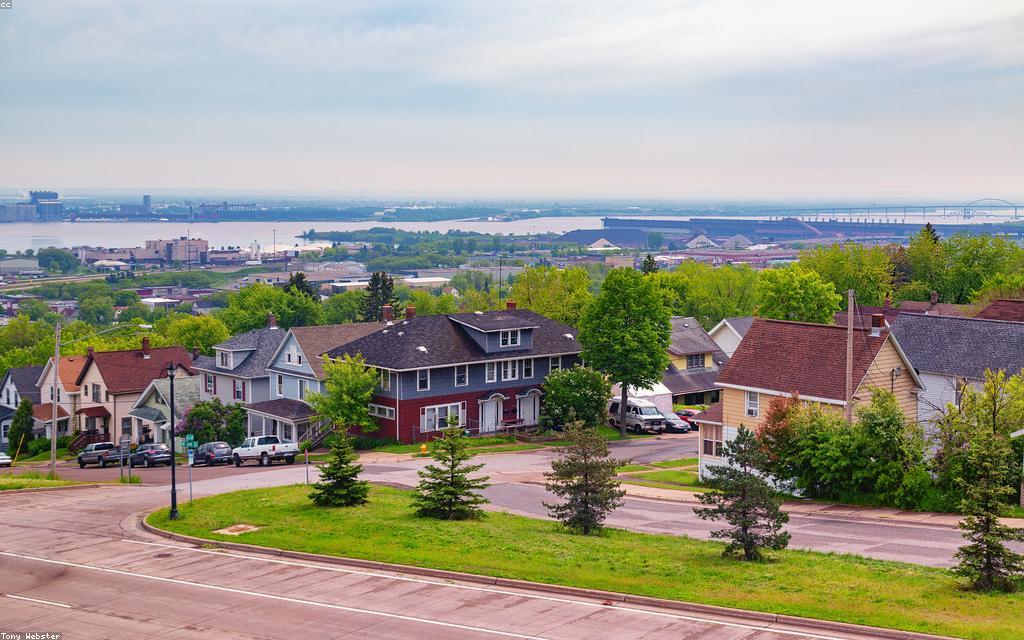
The neighborhood you choose shapes your daily life far more than the house itself. You can renovate a kitchen, finish a basement, or repaint every wall, but you cannot move your home to a different street. Because location is the one feature you can never change, evaluating a neighborhood with the same rigor you apply to the house is essential. A beautiful home in the wrong location often disappoints, while a modest home in a thriving area tends to reward its owner for years.
Looking Beyond the Listing Photos
Listing photos and a single afternoon visit reveal almost nothing about what living somewhere is actually like. A street that feels peaceful on a quiet Sunday morning can be congested and noisy on a weekday evening. To understand a neighborhood, you must experience it at different times: a weekday rush hour, a Friday night, and a weekend afternoon all tell different stories. Walking the streets rather than only driving lets you notice details a car window hides.
Pay attention to how neighbors maintain their properties, whether sidewalks and parks are cared for, and how people interact in public spaces. A community where residents invest in their homes and gather outdoors signals pride and stability, qualities that protect property values and quality of life over time.
Schools Matter Even Without Children
School quality influences home values whether or not you have children, because a large pool of buyers prioritizes good schools and will pay a premium to access them. Strong school districts tend to hold their value better during downturns and appreciate more reliably during recoveries. Even buyers without kids benefit from this demand when it comes time to sell.
Research goes beyond a single rating number. Look at trends over several years, funding levels, class sizes, and the range of programs offered. A district on an upward trajectory may offer better long-term value than one resting on past reputation. School boundaries can also shift, so confirm that the specific address you are considering actually falls within the district you expect.
The Practical Tests of Daily Life
A neighborhood reveals its true character through the small frictions and conveniences of everyday living. Before committing, walk through the routines you will repeat thousands of times.
- Time your commute to work during actual rush hours, not at midday when traffic is light.
- Locate the nearest grocery store, pharmacy, and medical care, and note how far they are.
- Test cell phone reception and ask about internet provider options and speeds, which matter enormously for remote work.
- Check proximity to parks, gyms, restaurants, and whatever amenities your lifestyle depends on.
- Observe noise sources such as highways, train lines, flight paths, or busy commercial corridors.
These practical tests often expose deal-breakers that no listing would mention. A short commute on a map can become an hour-long ordeal in traffic, and a charming street can sit directly under a flight path that only becomes obvious when a plane roars overhead.
Reading the Signs of a Neighborhood’s Direction
Just as important as a neighborhood’s current state is the direction it is heading. Areas improve or decline over time, and buying into an upward trend can build wealth while buying into a declining one can erode it. Several visible signals hint at where a community is going.
Look for fresh investment: new businesses opening, homes being renovated, construction cranes, and public projects like parks or transit improvements. These suggest growing confidence and rising demand. Conversely, numerous vacant storefronts, deferred maintenance, and homes lingering on the market may indicate a neighborhood losing momentum. Local planning department records can reveal approved developments that will reshape the area in coming years, for better or worse.
Safety, Without the Guesswork
Personal safety understandably ranks high for most buyers, but impressions can mislead. Rather than relying on reputation or a single nervous drive-through, consult publicly available crime statistics and, if possible, speak with the local police department about trends in the immediate area. Distinguish between property crime and violent crime, and look at whether numbers are improving or worsening over several years.
Talking to potential neighbors offers irreplaceable insight. Most people are happy to share candid thoughts about what they love and what frustrates them about living there. A few honest conversations on the sidewalk can reveal far more than any statistic, from a problematic intersection to a wonderful community tradition you would never have discovered otherwise.
Matching the Neighborhood to Your Life Stage
The ideal neighborhood depends on who you are and where you are heading. A young professional may prize walkable nightlife and a short commute, while a growing family may prioritize quiet streets, parks, and schools. Someone approaching retirement may value accessibility, healthcare, and a strong sense of community. There is no universally best neighborhood, only the one best suited to your current and anticipated needs.
Think a few years ahead rather than only about today. If you expect to start a family, change jobs, or eventually downsize, weigh how well the area will serve that future. A neighborhood that fits your life across multiple stages spares you the cost and disruption of moving sooner than planned. Investing this effort upfront ensures that the home you fall in love with sits in a place you will still be glad to call home long after the excitement of moving in has faded.